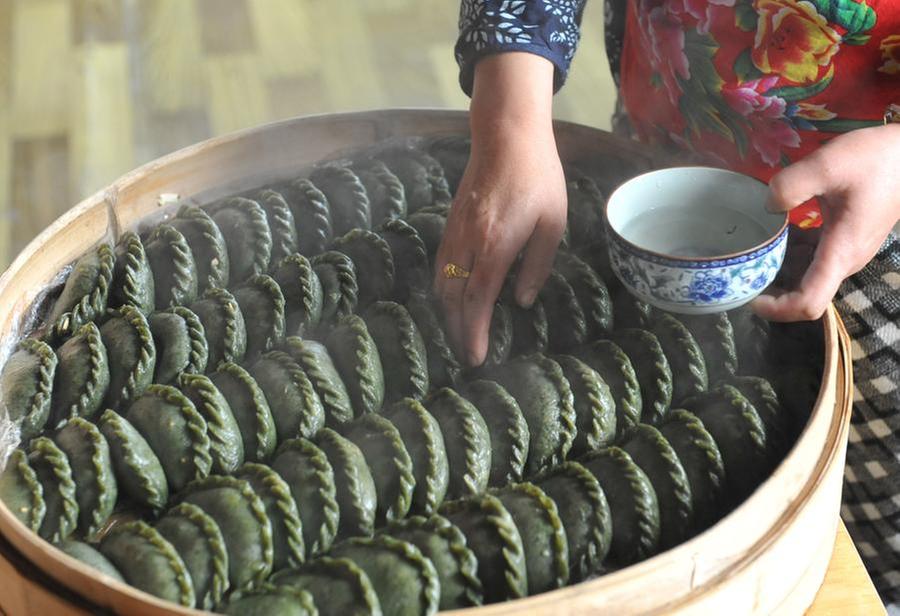
Cold Food Festival
Introduction
The Cold Food Festival, also known as Hanshi Festival, is a significant traditional Chinese festival observed annually one or two days preceding the Qingming Festival, also known as Tomb-Sweeping Day. Rooted deeply in Chinese history and culture, this festival is characterized by its unique customs and significant historical narratives.
Historical Origins
The Cold Food Festival's origins trace back to the Spring and Autumn period (770-476 BC) and have connections to the legendary figure Jie Zhitui. According to legend, Jie Zhitui was a loyal follower of Prince Chong'er during his time of exile. In a demonstration of his loyalty, Jie once cut a piece of flesh from his own thigh to save the prince from starvation. Upon returning to power as Duke Wen of Jin, Chong'er sought to reward Jie, who refused honors and lived in seclusion in the mountains with his mother. In an attempt to force Jie out of hiding, Duke Wen ordered the forest to be set on fire, inadvertently killing Jie and his mother. Remorseful, Duke Wen decreed that henceforth, no fire would be used on the anniversary of Jie's death, leading to the observance of the Cold Food Festival.
Customs and Practices
The primary custom of the Cold Food Festival is the prohibition of the use of fire, resulting in the preparation and consumption of cold food. This tradition highlights the festival's name and underscores its historical narrative. On this day, people would refrain from lighting fires, instead consuming pre-prepared cold dishes.
Cultural Significance
The Cold Food Festival has a profound cultural significance, often intertwined with the Qingming Festival. While the latter is heavily focused on tomb-sweeping and ancestor veneration, the Cold Food Festival is more about the historical reflection on loyalty and sacrifice, as embodied by the story of Jie Zhitui.
Moreover, the festival offers insights into ancient Chinese customs and the historical context surrounding them. For instance, the festival's association with kite flying, as noted in historical records, highlights its role in leisure and cultural practices. During the Cold Food and Qingming festivals, kite flying was a common activity, symbolizing letting go of bad luck and misfortune.
The Cold Food Festival also holds connections with various forms of traditional art and literature. It is mentioned in classical Chinese poetry, where poets such as Su Shi and Du Mu have referenced it, reflecting on its cultural significance and the emotions it evoked.
Modern Observations
In contemporary times, while the Cold Food Festival's strict adherence to its customs has lessened, its cultural and historical import remains celebrated, especially in regions with deep-rooted traditions. The festival is an opportunity for cultural reflection and the preservation of historical narratives that continue to shape and inform Chinese cultural identity.








